Tallow Eye Cream: A Traditional Remedy in Modern Skincare
In recent years, the skincare industry has witnessed a renewed interest in traditional and natural ingredients. Among these, tallow eye cream has emerged as a surprising yet increasingly popular product. Derived from rendered animal fat, usually beef tallow, this eye cream is promoted as a deeply nourishing and skin-compatible solution for delicate under-eye concerns. While the idea may seem unconventional to modern consumers, tallow has a long history in skincare and offers both benefits and limitations worth examining critically.
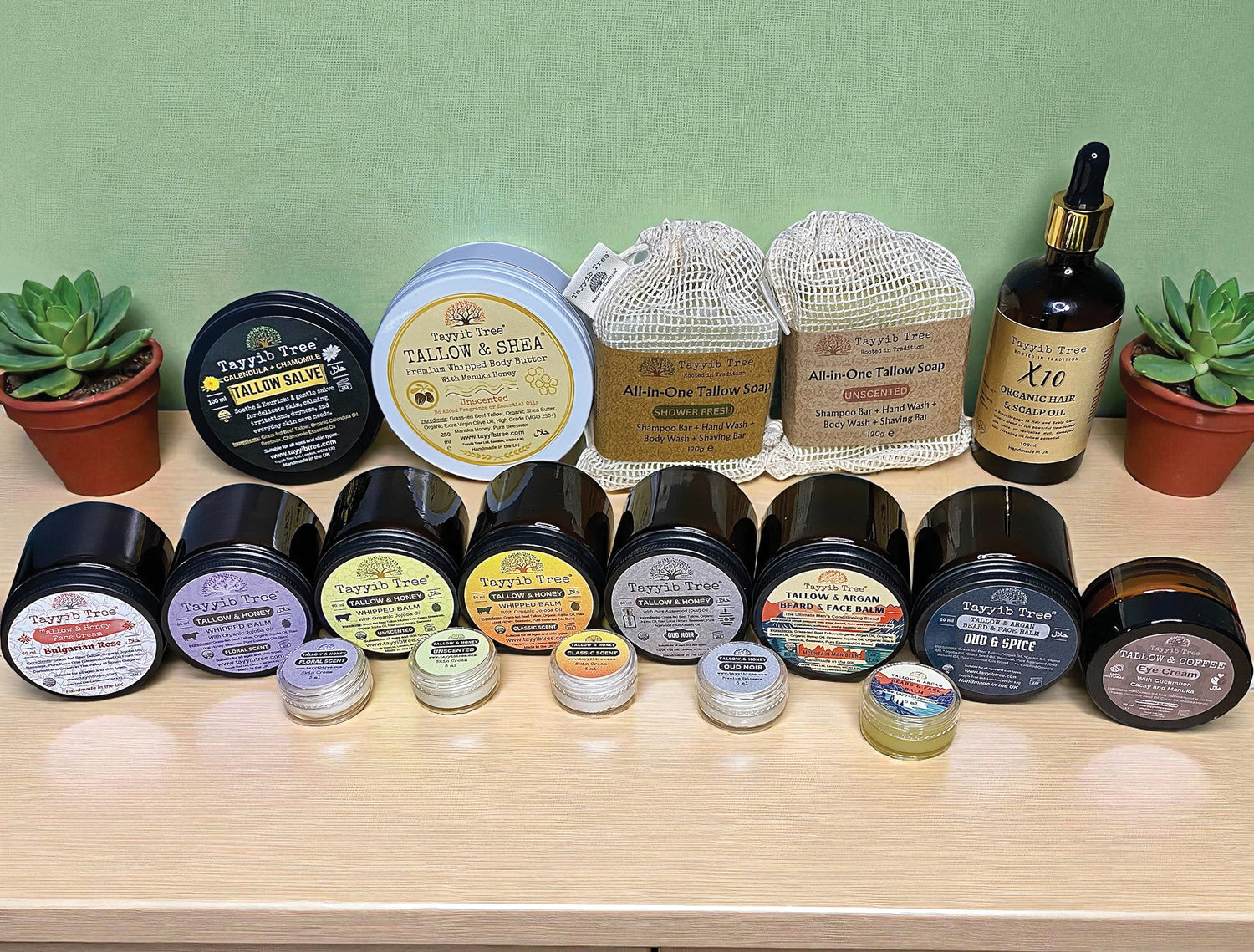
What Is Tallow Eye Cream?
Tallow eye cream is made from purified animal fat, most commonly sourced from grass-fed cows. Through a careful rendering process, impurities are removed, leaving behind a creamy substance rich in fatty acids and fat-soluble vitamins. When formulated specifically for the eye area, tallow is often blended with mild natural ingredients such as essential oils or botanical extracts to enhance its texture and scent.
The under-eye skin is thinner and more sensitive than the rest of the face, requiring ingredients that are gentle yet effective. Advocates of tallow eye cream argue that its natural composition closely resembles the lipid structure of human skin, allowing it to absorb easily and support skin repair.
Benefits of Tallow Eye Cream
One of the main advantages of tallow eye cream is its deep moisturizing ability. Tallow contains saturated and monounsaturated fats that help strengthen the skin barrier and prevent moisture loss. This makes it particularly useful for people suffering from dryness, fine lines, or flaky under-eye skin.
Additionally, tallow is naturally rich in vitamins A, D, E, and K, all of which play essential roles in skin health. Vitamin A supports cell regeneration, vitamin E provides antioxidant protection, and vitamin K may help improve the appearance of dark circles by supporting healthy blood circulation.
Another notable benefit is its minimal ingredient profile. Many commercial eye creams contain synthetic preservatives, fragrances, and stabilizers that can irritate sensitive skin. In contrast, a well-made tallow eye cream often contains only a few natural ingredients, reducing the risk of allergic reactions.
Traditional Roots and Sustainability
Historically, tallow was widely used in skincare before the rise of petroleum-based cosmetics. Its reintroduction aligns with the growing “back-to-basics” movement in beauty, where consumers seek time-tested, whole ingredients rather than lab-engineered alternatives.
From a sustainability perspective, tallow can be considered an eco-conscious choice when sourced responsibly. It utilizes animal by-products that might otherwise go to waste, supporting a more holistic use of resources. However, this sustainability claim depends heavily on ethical sourcing and farming practices.
Criticisms and Limitations
Despite its benefits, tallow eye cream is not without criticism. One major concern is its animal origin, which makes it unsuitable for vegans and those who prefer plant-based skincare. Ethical considerations surrounding animal welfare can also influence purchasing decisions.
Another limitation is texture. Tallow can feel heavier than conventional eye creams, especially for individuals with oily or acne-prone skin. Although the eye area is less prone to breakouts, some users may still find the richness uncomfortable for daytime use or under makeup.
There is also a lack of large-scale scientific studies specifically focused on tallow eye cream. While anecdotal evidence and traditional use support its effectiveness, modern consumers often prefer clinically tested products with measurable results.
Is Tallow Eye Cream Right for You?
Choosing a tallow eye cream ultimately depends on personal skin needs and values. It may be especially beneficial for people with dry, sensitive, or mature skin who struggle with irritation from synthetic products. However, those with ethical concerns or a preference for lightweight formulas may find better alternatives elsewhere.
As with any skincare product, patch testing is essential. The eye area is delicate, and even natural ingredients can cause reactions in some individuals.
Conclusion
Tallow eye cream represents an intriguing blend of tradition and modern skincare philosophy. Its natural composition, nourishing properties, and minimalist formulation make it a compelling option for those seeking simplicity and effectiveness. However, ethical concerns, texture preferences, and limited scientific research remain valid considerations. In a market saturated with complex formulas, tallow eye cream stands as a reminder that sometimes, age-old remedies still have a place in contemporary beauty routines.


Comments
Post a Comment